
HomeFabric finishing
Fabric finishing.
Processes after dyeing and printing that change a fabric’s appearance, usability and durability.
What is finishing?
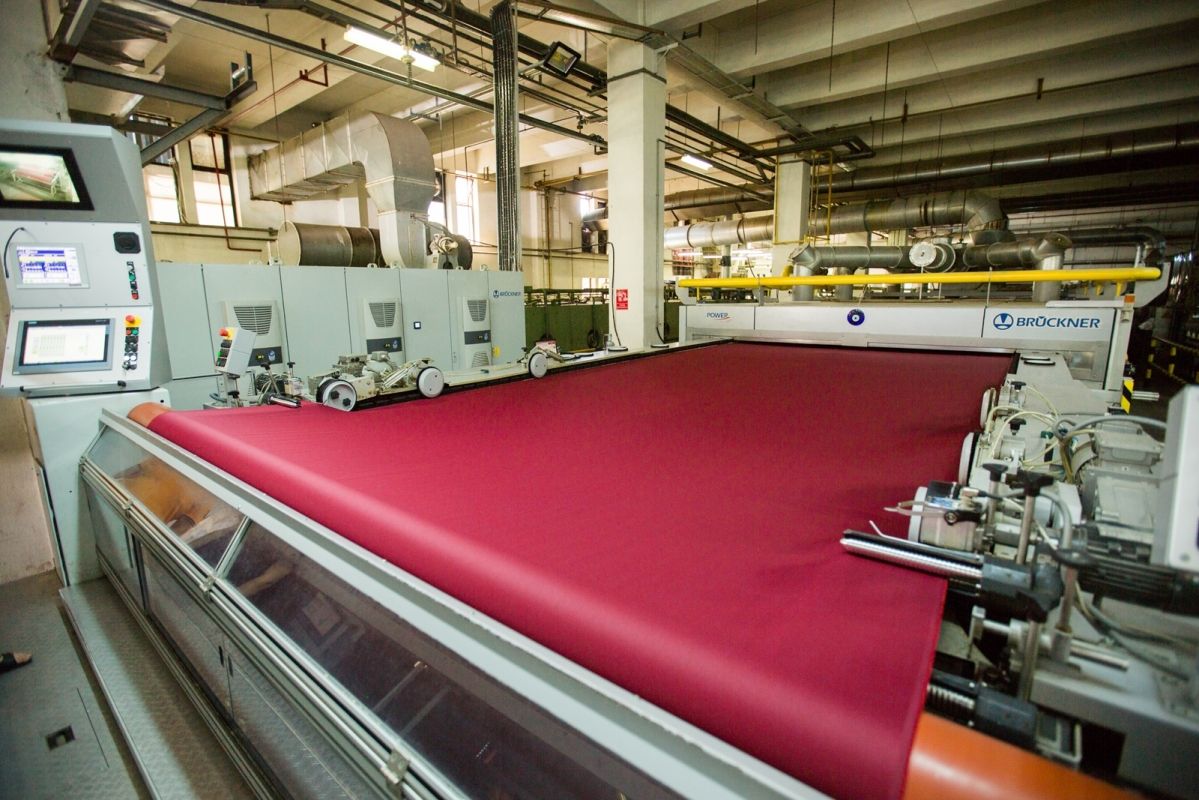
Fabric finishing: the processes performed after dyeing and printing to change the appearance, usage and durability of textile fabrics are called finishing.
Finishing applications are the final processes applied to textile materials, after their other treatments, to enhance their properties. They are mostly applied to textiles in fabric form. Depending on where a fabric will be used, qualities such as appeal and aesthetics are required, and finishing makes these possible.
Fire and flames are frequently encountered in many work areas and in decorative textiles. Firefighters deal with flames, machine operators with welding and hot shavings, and venues such as cinemas and theatres with cigarettes, candles and hot electrical appliances. The textiles used there must resist the combustible materials they encounter. Easy and rapid ignition can cause very serious accidents; flame retardancy helps such accidents be mitigated. The handle imparted together with this finish is also essential while these fabrics are in use.
To eliminate the wrinkles and creases that often appear during use in fabrics made of cellulose and its blends, a wrinkle-resistant finish is applied. When the wrinkling of the trousers and skirts we wear is minimised, we feel better in our clothes.
Because these treatments can change the fabric’s hand feel, and because different hand properties are also desired, we apply a handle finish alongside the wrinkle-resistant finish.
Let’s develop your fabric’s recipe together.
Tell us about your fabric, colour and finishing requirements, and we’ll start in the laboratory. We work for the domestic market and for export.
- Phone+90 224 261 11 16
- Phone+90 224 261 10 90
- E-mailinfo@texcotex.com
- AddressDemirtaş Dumlupınar OIZ, Kardelen Sk. No:20, 16245 Osmangazi / Bursa, Türkiye